
Cedar Park Garage Door Guide
What That Noise From Your Garage Door Is Actually Telling You
A grinding roller isn't a squeaking spring. Cedar Park Garage Door Pros breaks down what each noise means for the 2000s-era doors common across Cedar Park.
- Licensed & Insured
- Same-Area Service Calls
- Upfront Pricing
When to Call Someone
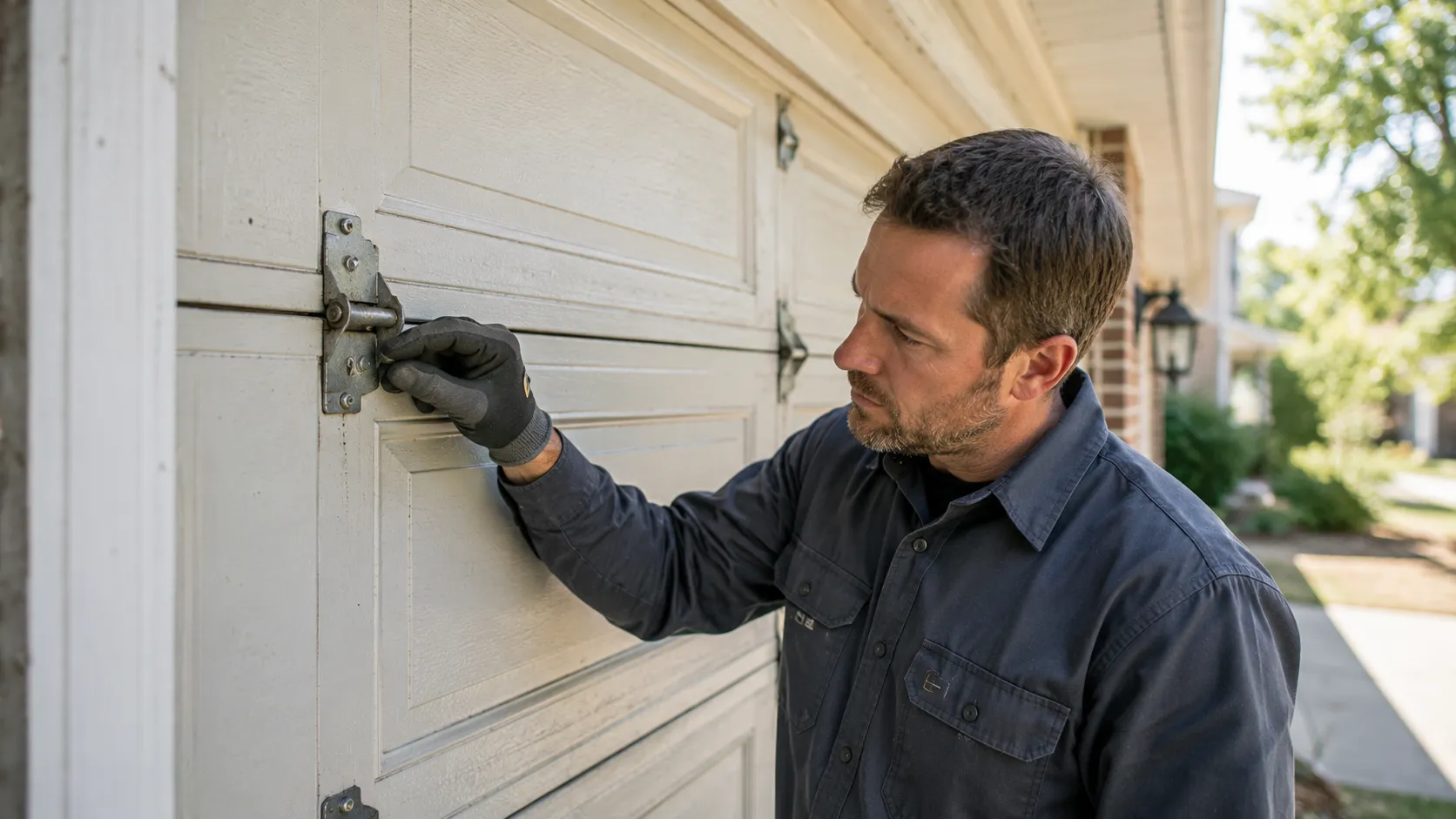
A single loud bang followed by the door refusing to move, or sitting crooked in the track, means a torsion spring let go. Don't touch it, don't try to force the door up by hand, and don't have someone stand under it. That's the one noise on this list that's a same-day call, not a maybe-later.
A steady grinding or scraping every time the door travels, especially paired with the door hesitating partway up, usually means a roller has worn through its bearing or a track has pulled away from the wall. That's not an emergency, but it gets worse fast if you keep running the opener through it.
Most of the doors we get called out to in Cedar Park went up between 1980 and 2014, with the median build year sitting at 2002. Springs on doors that age are past or near the end of a normal spring's working life, which is why the bang-and-stop noise shows up so often on houses from that era rather than newer builds.
What to Check
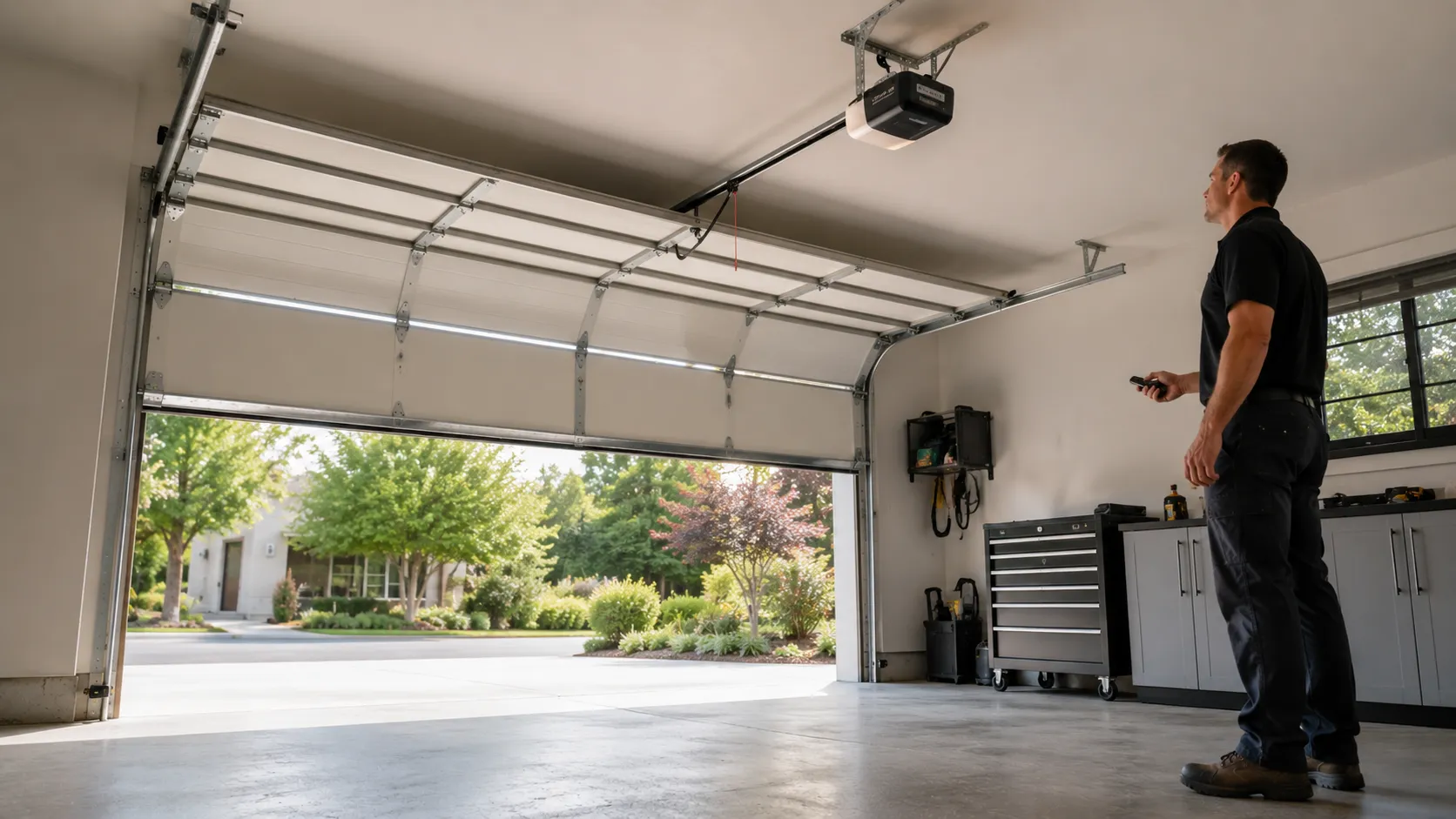
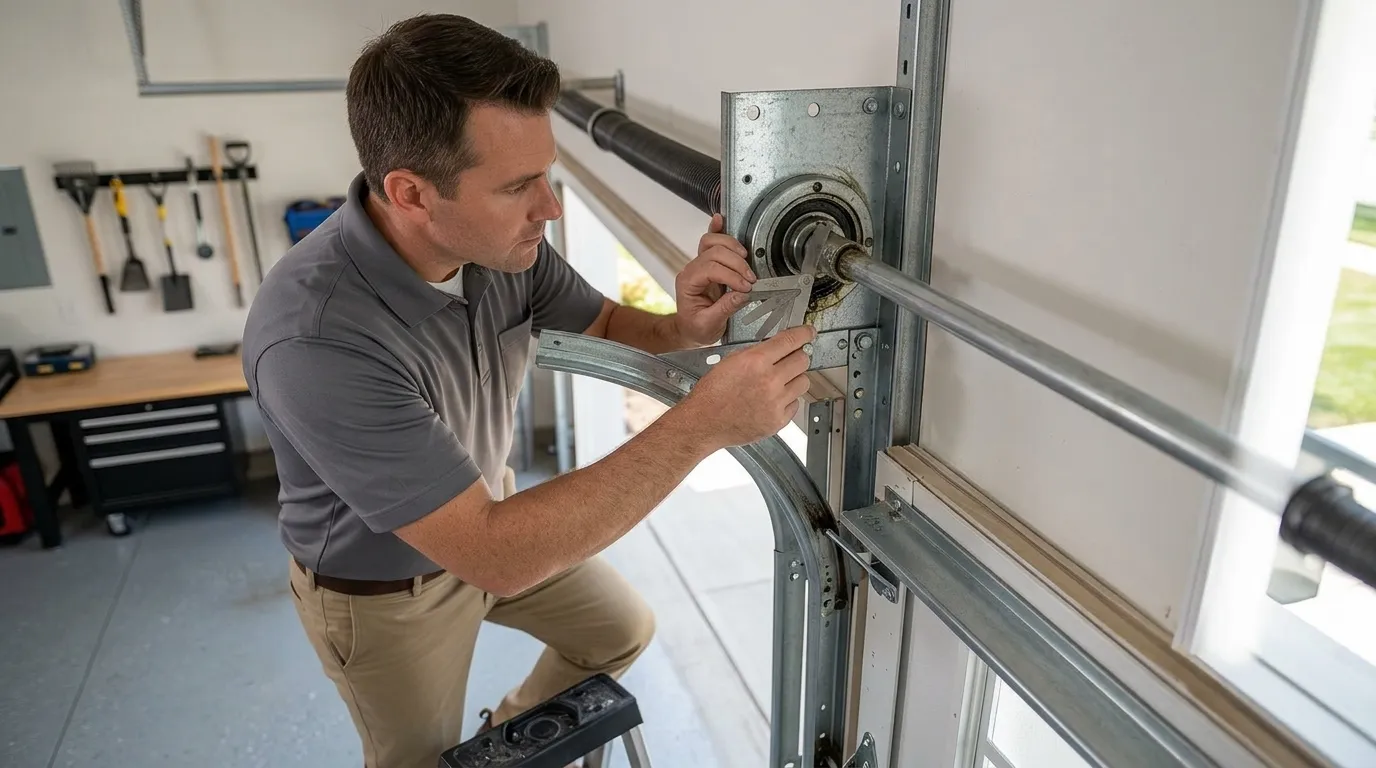
Before you call anyone, look at three things. First, the springs themselves - the two coils above the door, or the single torsion spring across the top. A gap in the coil or a spring that's visibly stretched longer on one side than the other means it's failing, not just noisy.
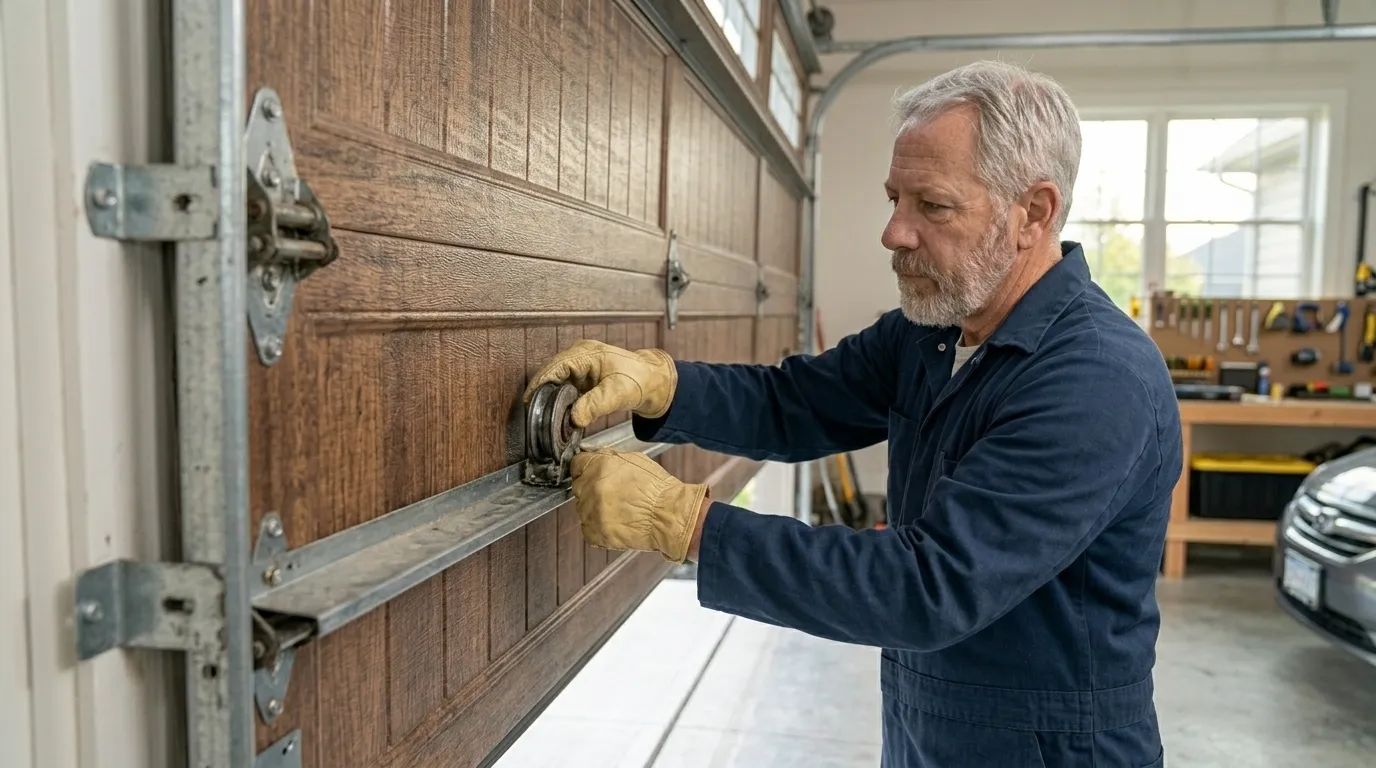
Second, the rollers. Reach up (door closed, opener unplugged) and spin each roller by hand. If one is cracked, flat-sided, or won't spin at all, that's your grinding noise.
Third, the track brackets - the metal plates bolting the vertical track to the wall studs. On the 2000s-era construction common across this service area, those brackets were fine when the house was new, but wood framing shifts over twenty-plus years and a bracket can work loose without anyone noticing until the door starts rattling on the way up.
We can't diagnose torsion spring tension over the phone with any accuracy - that's a hands-on-the-door judgment call, not a guess based on a description.
The Problem
Most garage door noise complaints trace back to hardware that was installed once, in 2002 or thereabouts, and never serviced again. That's not a knock on the builder - torsion springs, rollers, and bearings are wear parts, rated for a working life measured in cycles, not decades, and a door that opens twice a day for twenty years has put a lot of cycles on that original hardware.
With 37,750 owner-occupied houses across this service area, a lot of them built in that same twenty-year window between 1980 and 2014, the springs are wearing out on the same schedule. That's why a grinding-roller call in one subdivision often means the same call is coming from three streets over inside a year.
In neighborhoods like North Buttercup Creek and Twin Creeks, both part of that same 2000s wave of construction, we see the identical pattern: original steel rollers, original spring, original bearing plate, all reaching the end of their life around the same time the house turns twenty.
What Local Conditions Do
Cedar Park sits in a moderate heat band, not the extreme end of Texas summer. That matters for what breaks and what doesn't. We don't see the rubber weatherseal cracking and shattering the way it does in harsher climates, and the steel panels don't warp from heat the way some materials do further south.
What the heat does do, reliably, is cook the factory grease out of a track and bearing that hasn't been touched since installation. A door that ran quiet for fifteen summers can start grinding in the sixteenth, not because anything broke, but because the lubricant finally gave up. That's a five-minute fix if it's caught early - it's a roller replacement if it isn't.
We don't recommend homeowners re-grease torsion springs themselves; the wrong lubricant on a spring under tension is a bigger risk than the noise you're trying to fix. A track and roller, on the other hand, is safe to check and lightly lubricate on your own.
How We Can Help
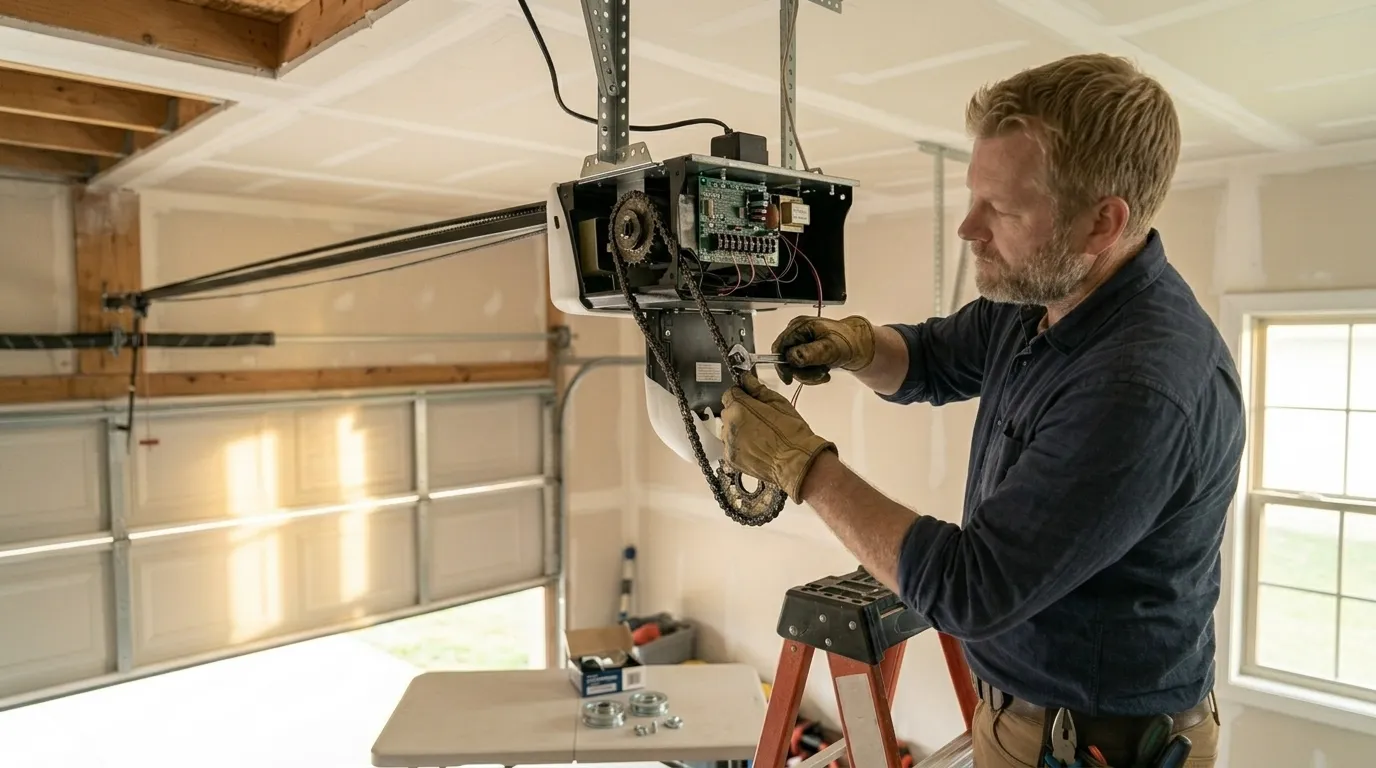
Garage Door Repair
Springs, cables, tracks, rollers, and openers fixed by a tech who explains the problem before touching anything.
Learn more →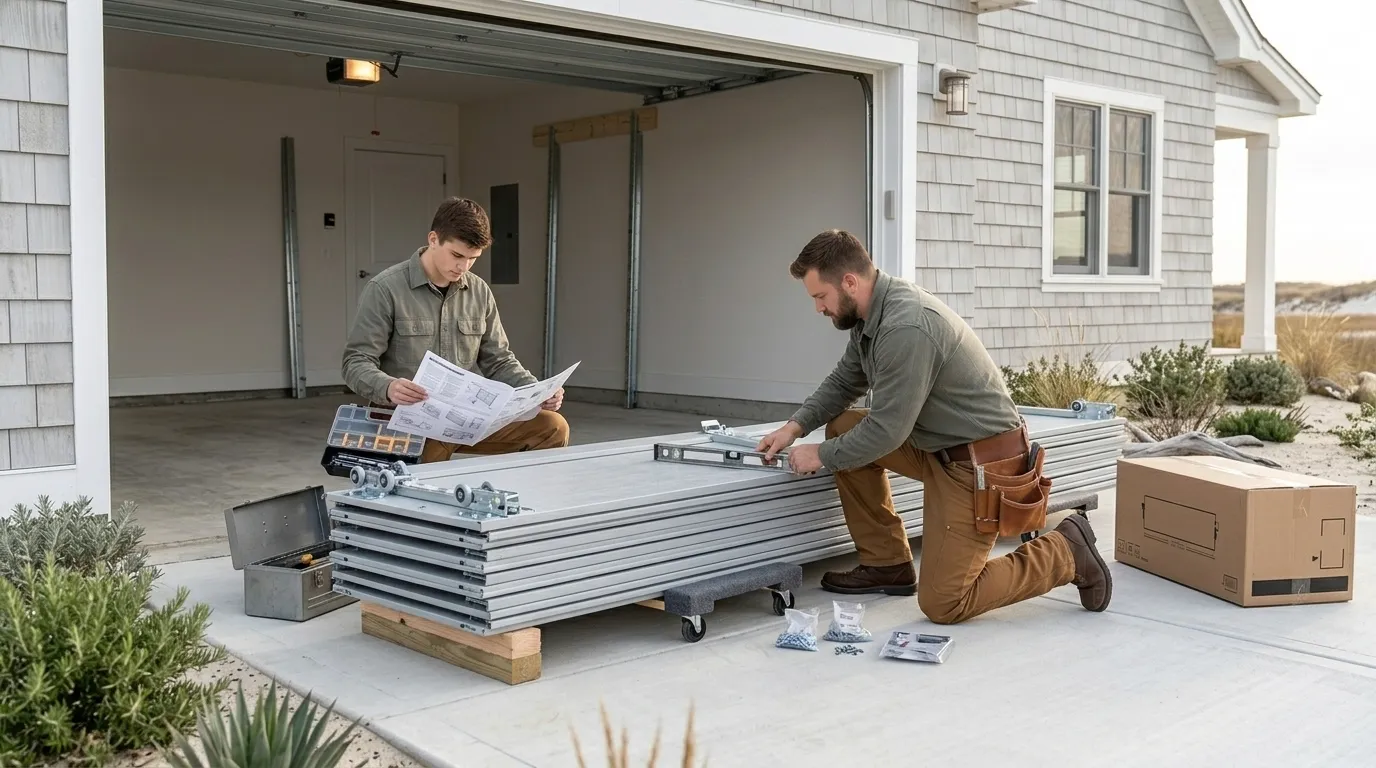
Garage Door Installation
New sectional doors sized and installed for the housing stock actually built in this area.
Learn more →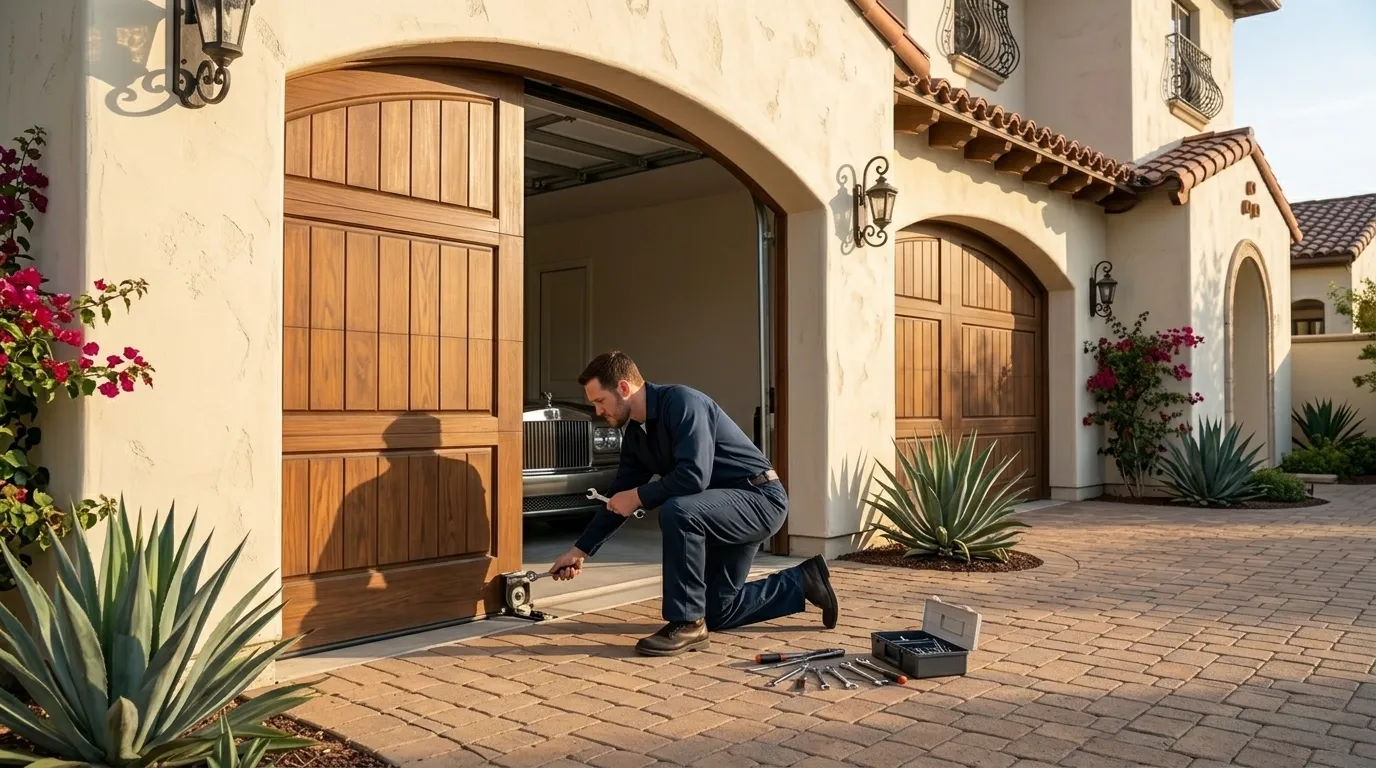
Garage Door Service
Tune-ups, lubrication, and safety checks that catch a small problem before it becomes a service call.
Learn more →Frequently Asked Questions
My garage door makes a loud bang and won't open. Is that the spring?
Almost certainly. A torsion spring that snaps under tension makes a bang loud enough to hear from inside the house, and the door will either not move or move unevenly. Don't try to open it manually. Unplug the opener and call - this is a same-day repair, not a wait-and-see.
Why did my door start grinding after fifteen years of being quiet?
Most doors in this service area were built between 1980 and 2014, with a lot clustered around 2002. Factory lubricant on rollers and bearings has a working life, and once it dries out under Cedar Park's summer heat, metal starts contacting metal. It's usually a roller replacement, not a full door job.
Can I just spray WD-40 on it and call it fixed?
WD-40 is a solvent, not a lubricant, and it strips existing grease without replacing it - you'll get quiet for a week and a worse grind after. A proper track and roller lubricant does the job right. We don't recommend touching the torsion spring yourself regardless of what you spray.
Is a rattling noise from the track dangerous?
Not immediately, but it usually means a wall bracket has worked loose over the years, which is common on houses from the 2000s construction wave common here as framing settles. Left alone, the track can pull further away and let a roller jump the rail. Worth a look before it gets there.
Have a Door That Needs a Second Opinion?
Call and describe what it is doing - we will tell you what it likely is.