
Service
Garage Door Service for Cedar Park Homes
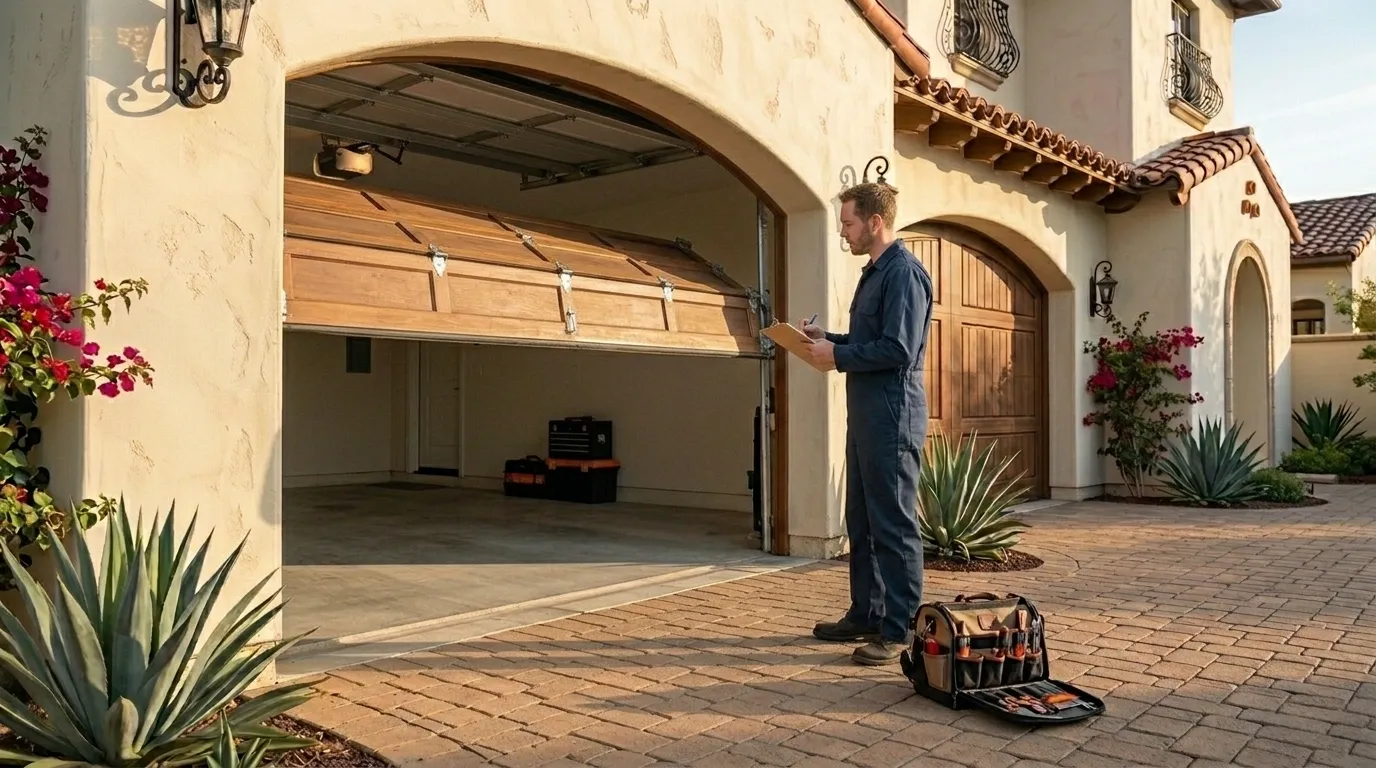
Garage door service built around Cedar Park's 2000s-era homes: springs, openers, and tracks sized for houses built between 1980 and 2014.
- Licensed & Insured
- Same-Area Service Calls
- Upfront Pricing
What Happens When You Call
-
1
Call or Request a Quote
Tell us what the door is doing and roughly how old the house is - that alone points us toward the likely part before a truck leaves.
-
2
On-Site Diagnosis
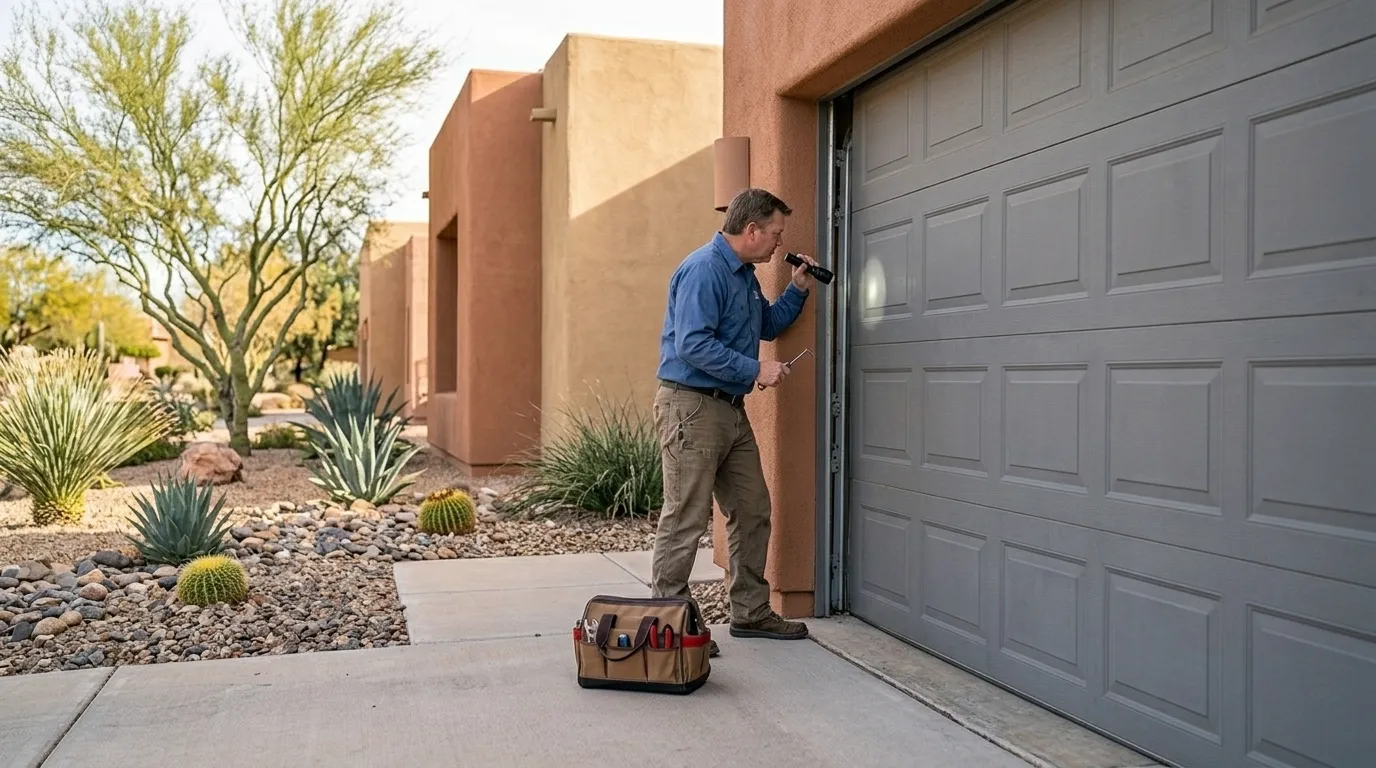
A tech checks the spring, cables, tracks, and opener in person and tells you plainly what is actually wrong.
-
3
Straight Price, No Surprises
You get a number before any work starts. It covers parts and labor, nothing added after the fact.
-
4
Fixed the Same Visit
Most repairs are done in one trip. If a part needs sourcing, we tell you that upfront instead of guessing.
What You Are Seeing
If you're calling us, you're probably watching one of a few things happen: the door jerks instead of gliding, the opener grinds but the door won't lift, one side drops faster than the other when it closes, or the whole thing just sits there dead when you hit the remote. In a service area where most houses went up between 1980 and 2014 (median build year 2002 across our 17 named neighborhoods), we see the same failure patterns over and over because the doors, springs, and openers installed during that build-out are now aging out together, block by block, subdivision by subdivision.
That's different from an older town with a mix of eras - here the wear tends to hit whole streets at once. What looks like a random breakdown at your house is usually the same part failing on a similar house a mile away.
Why It Happens Here
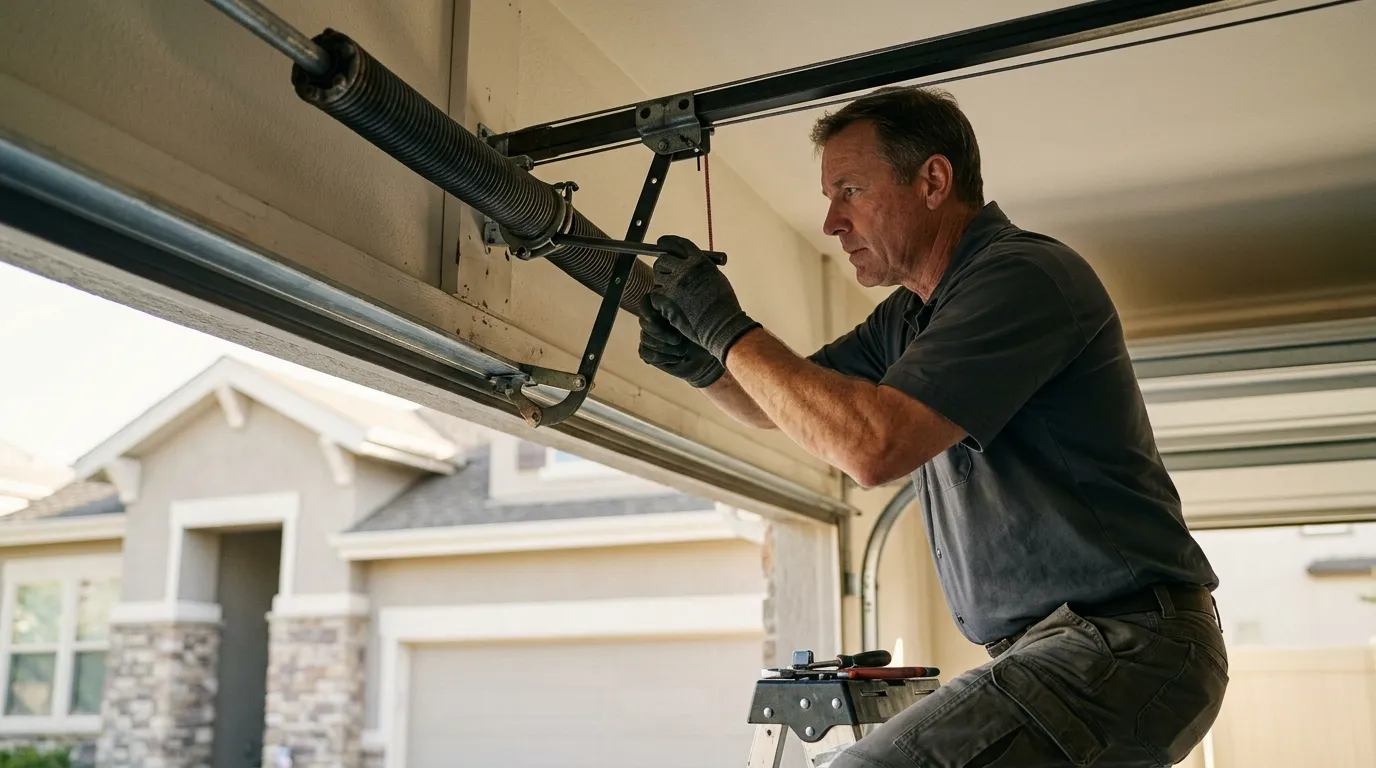
Torsion springs are rated for a number of open-close cycles, not years, and a spring installed when a house was built in the early 2000s is now well past its expected life on a lot of Cedar Park garages. Add the local climate - a moderate heat band that puts real thermal stress on rubber seals, nylon rollers, and opener circuit boards through repeated summer highs - and you get a second wave of failure on top of simple age.
Metal fatigues faster and lubricant dries out faster when a garage sits in high heat for months at a stretch, even in a mild-heat classification like ours. That combination - 2000s-era hardware plus consistent summer heat load - is why so many service calls here involve the same two or three failure points rather than something unusual.
The Complications
Houses built across the same few years tend to share the same builder-grade door and opener packages, which means when one part fails, it's often not an isolated part. A spring that snaps on a 2003-built house is frequently paired with rollers and a center bearing plate that are the same age and just as close to done.
We'll tell you straight when a repair only buys a few more months versus when it's worth doing right the first time. One limitation worth being upfront about: we don't stock every discontinued opener control board from that era, and some builder-grade parts take longer to source than a same-day fix - if your opener is an older builder model, we'll tell you at diagnosis, not after we've already opened it up.
What the Repair Takes
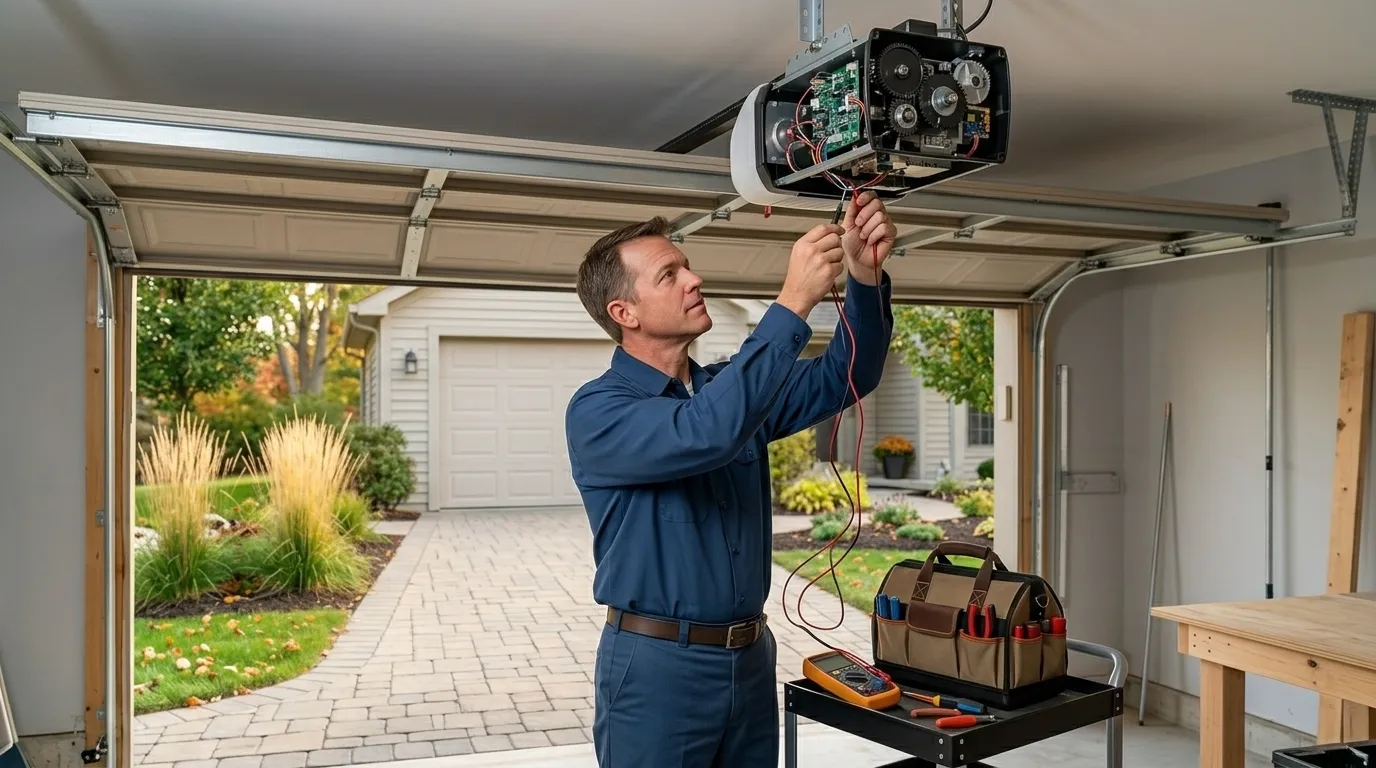
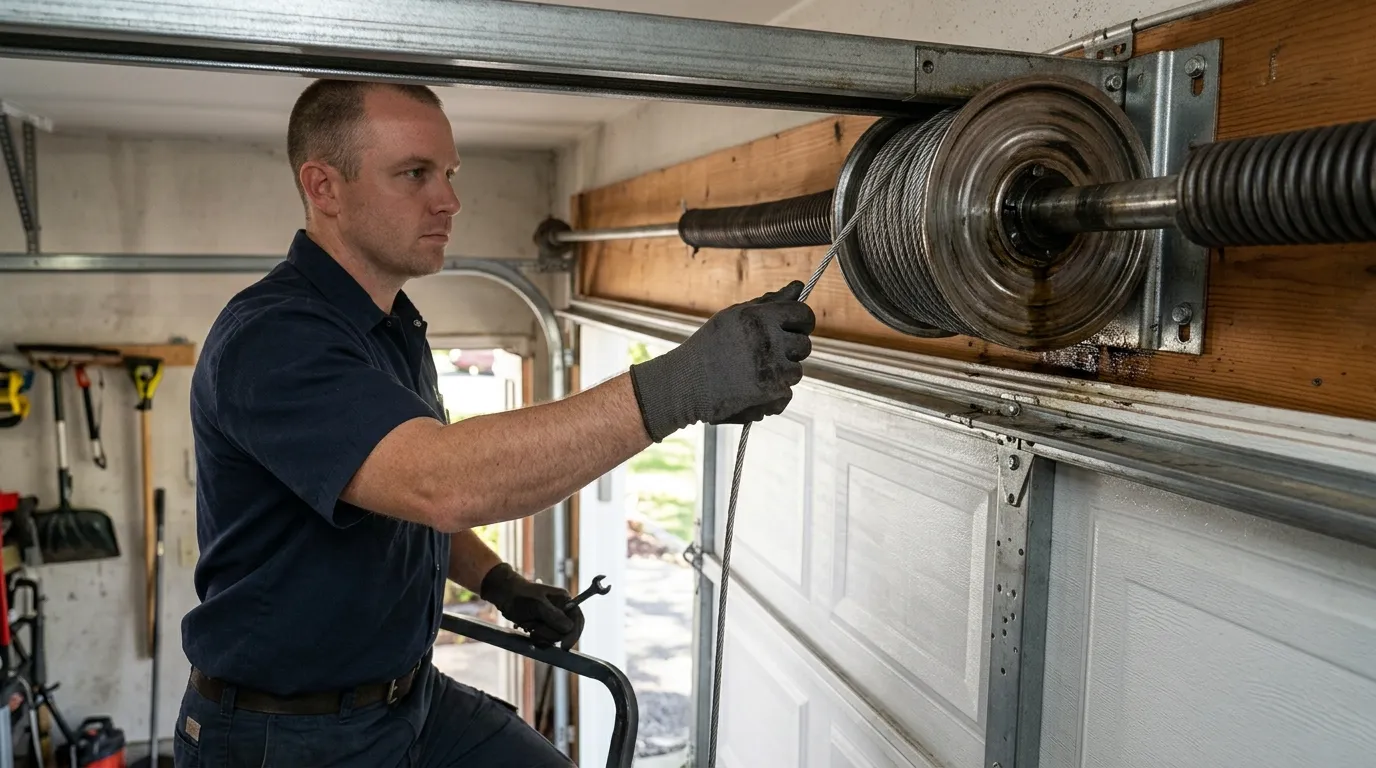
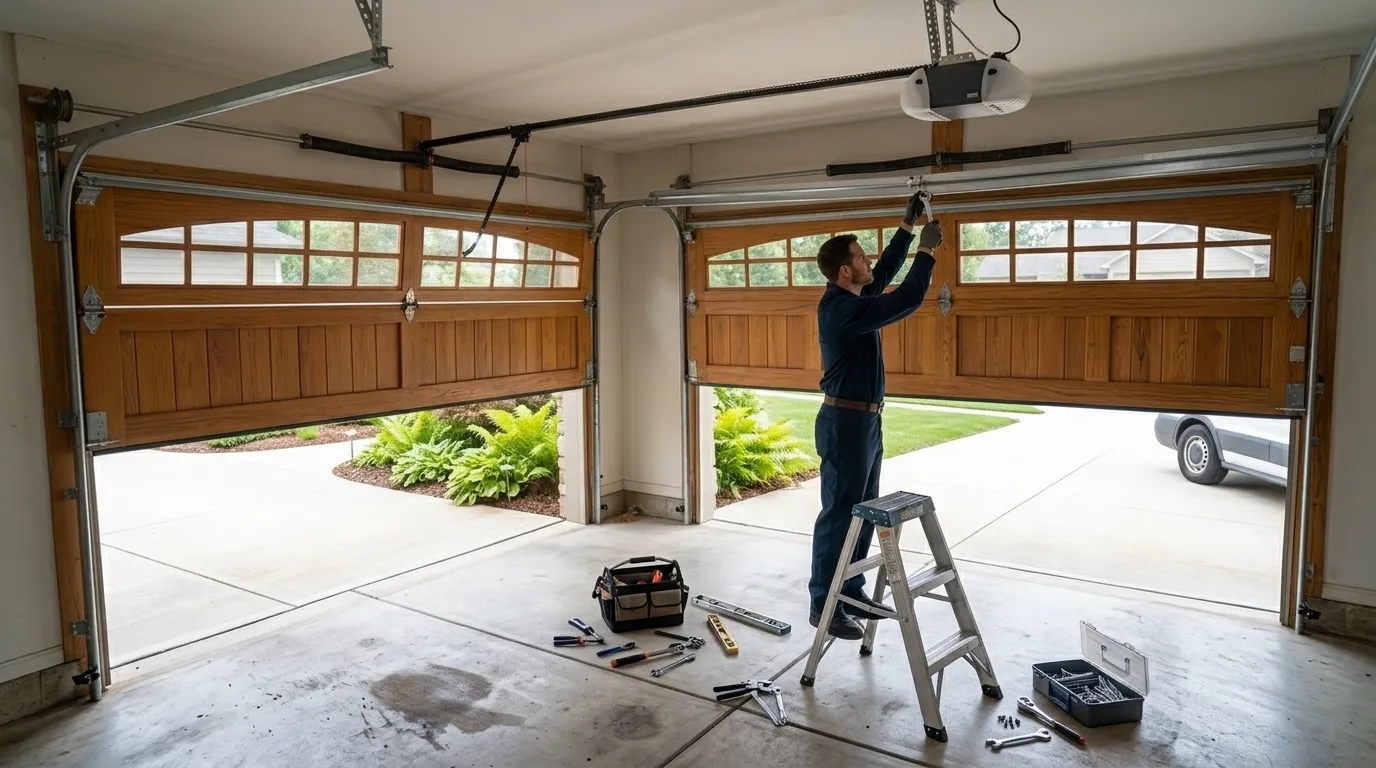
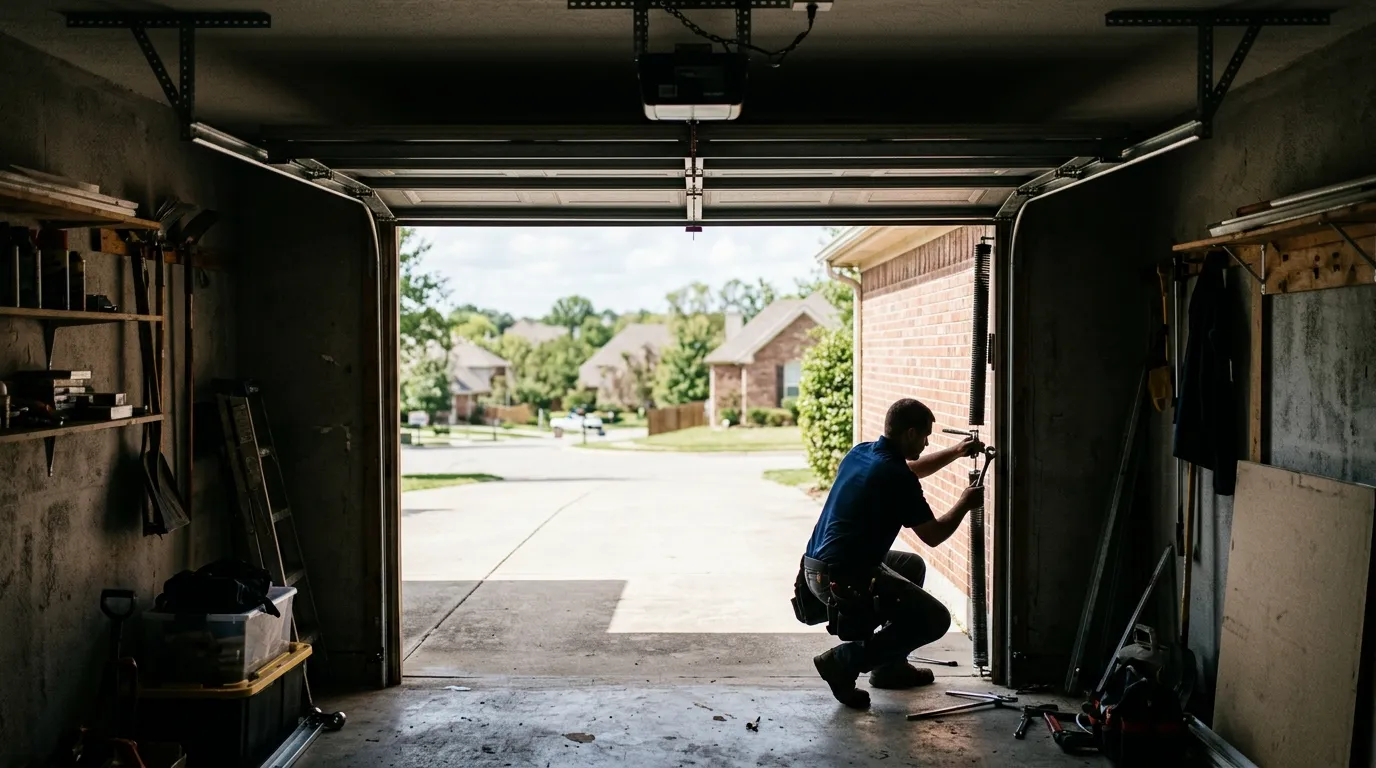
A straightforward spring or roller replacement on a standard double door is usually a same-visit job once we're on site with the right spring weight for your door size and cycle history. Opener issues take a bit more diagnosis time, since boards, sensors, and drive gears all fail differently and we want to confirm which one before replacing anything.
For homes anywhere from Brushy Creek out to Wells Branch and the other communities we cover, the visit starts the same way: we check spring wind and balance first, because a door that's out of balance will chew through a new opener just as fast as it did the old one. We'll walk you through what we found before we start any work, and if a full door replacement makes more financial sense than another repair on aging hardware, we'll say so.
Talk to a Technician Before You Book
Describe what the door is doing and get a straight answer on what it likely needs.
Other Ways We Can Help
Jobs Like Yours
Recent work from this service line.
Why Cedar Park Calls Us
Frequently Asked Questions
Why do so many Cedar Park garage doors seem to fail around the same age?
Most of our service area was built between 1980 and 2014, with a median build year around 2002, so a lot of homes share the same generation of springs, openers, and rollers. Those parts are cycle-rated, not lifetime parts, and a large share of the local housing stock is now hitting that wear point at roughly the same time.
Does the Cedar Park heat actually affect garage door parts?
Yes. Our climate band is classified as moderate heat, but sustained summer temperatures still dry out lubricant, stiffen rubber seals, and stress opener circuit boards over time. Combined with aging 2000s-era hardware, that heat load speeds up failures we'd otherwise expect to see later.
Do you carry parts for older builder-grade openers?
Not always. Some builder-installed opener boards from the early 2000s are discontinued, and sourcing them can take longer than a same-day repair. We'll tell you at diagnosis if your unit falls into that category so you can decide between a wait or a full opener swap.
How do I know if it's the spring or the opener that's failing?
If the door is heavy to lift by hand or the opener strains and reverses, that usually points to the spring and balance, not the motor. If the opener runs but nothing moves, or it's silent altogether, that's more likely the opener itself. We check spring balance first on every call.
Need Garage Door Service for Cedar Park Homes?
Call now for straight answers on cost and timing.