
Cedar Park Garage Door Guide
Does Your Cedar Park Garage Door Predate Insulation Standards
Cedar Park homes went up between 1980 and 2014, median 2002. That split decides whether your garage door has a foam core or a single sheet of steel, and it matters in Texas heat.
- Licensed & Insured
- Same-Area Service Calls
- Upfront Pricing
When to Call Someone
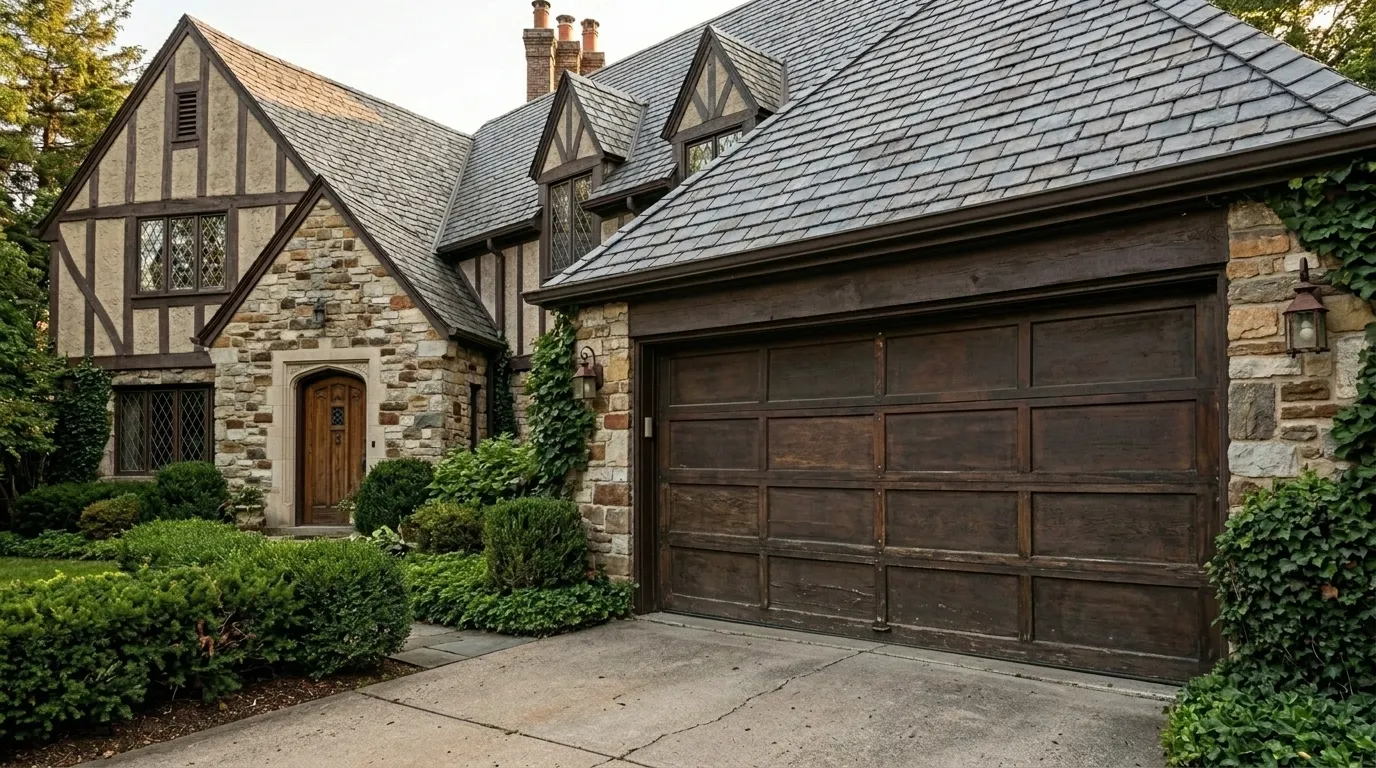
If your house is on the older end of the local range, built in the early-to-mid 1980s rather than the 2000s wave that makes up most of the stock here, and the garage door has never been replaced, that's worth a look before it becomes an emergency. A door from that era is more likely a single skin of steel with no foam behind it. Call when the door feels unusually heavy to lift by hand, when you can hear it flex or drum in the wind, or when the garage runs noticeably hotter than the rest of the house in summer.
\n\nDon't wait for a full failure to find out what you have. A cracked panel seam, visible daylight around the edges, or condensation on the inside of the door on a humid morning all point to a build that predates the insulated standard most homes here were built with from the start. \n\nWe don't push a full replacement on a door that's just old.
If the panel is sound and the hardware is serviceable, a repair is the right call. Insulation is a separate decision from whether the door still works.
What to Check
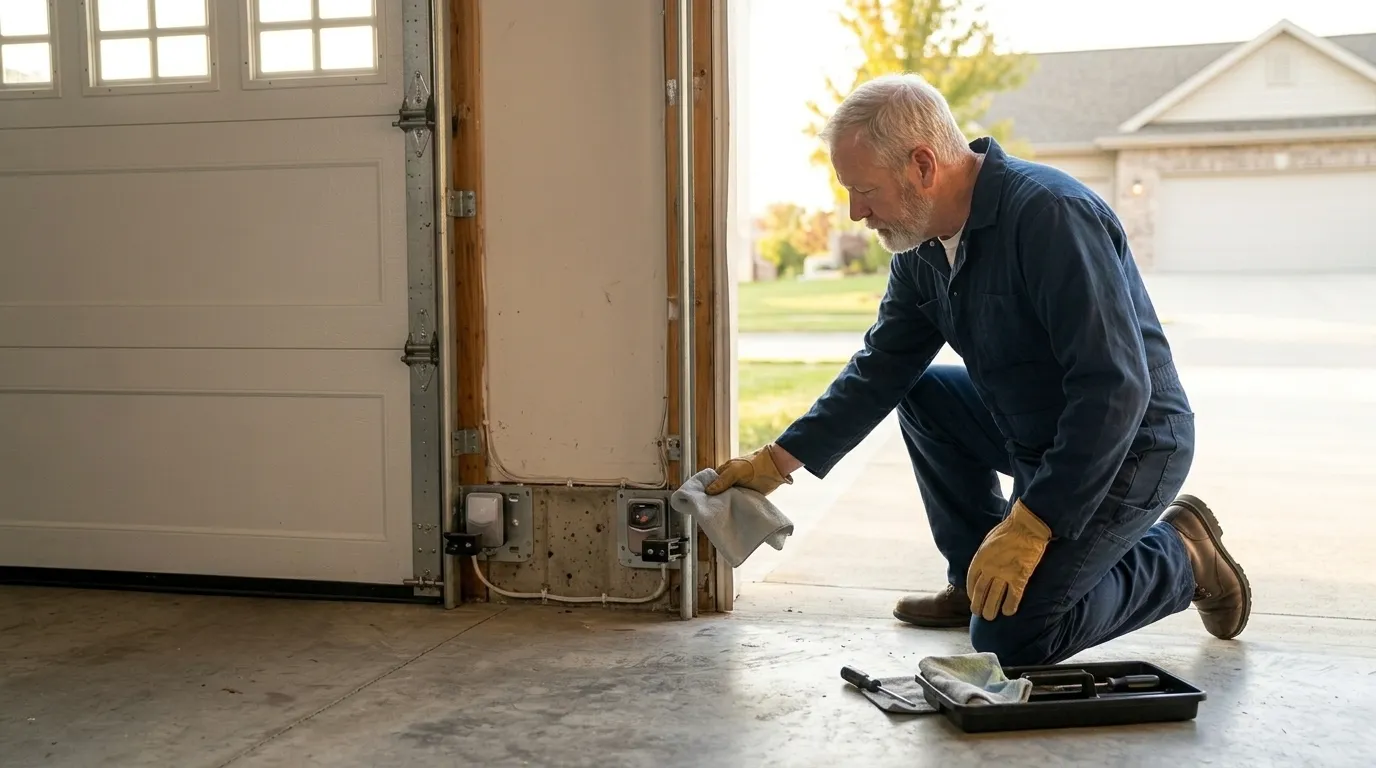
Start at the edge of a panel. Insulated doors built to the newer standard have visible thickness, usually an inch and five-eighths or more, with a foam layer sandwiched between two steel skins. \n\nLook for a manufacturer's label on the inside of the door, usually near the bottom corner of a panel or on the end stile.
It often lists an R-value. \n\nCheck the garage temperature against the rest of the house on a hot afternoon. A meaningful gap, five degrees or more, on a door that gets afternoon sun points to a panel with no insulating layer.
Also check whether the garage shares a wall with living space. Most homes built here in the 2000s wave came with insulated doors as the standard build, so if yours doesn't have one and the house dates to that period, something may have been swapped out or the original builder cut a corner.
The Problem
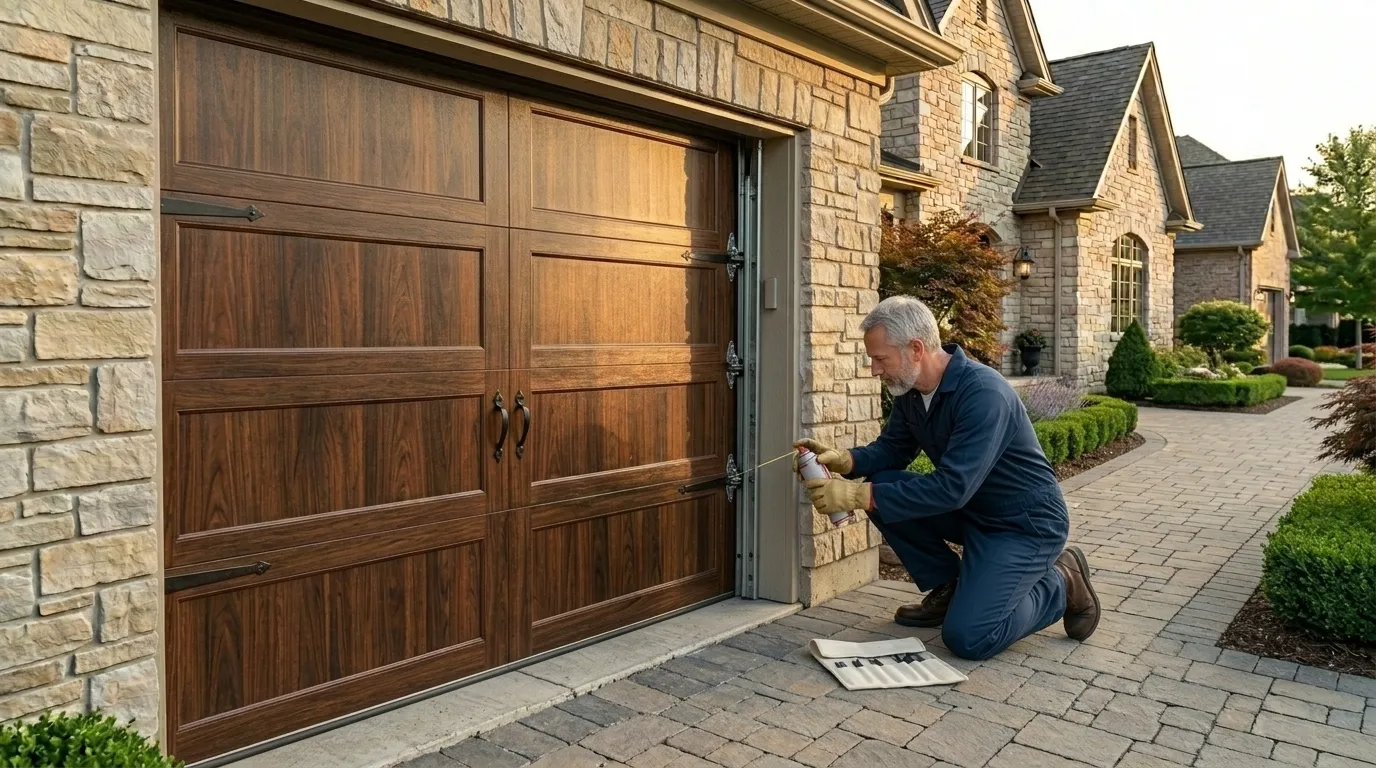
Housing here spans 1980 to 2014, with the median landing around 2002 and the bulk of the stock, across the named areas nearby, built in the 2000s. That matters because insulated garage doors went from an upgrade to a standard feature somewhere inside that window. A house on the newer end almost certainly came with a foam-core door from day one.
\n\nThe practical problem isn't cosmetic. An uninsulated panel transmits heat straight through, and in a region where the heat band runs moderate rather than mild, that shows up as a garage that runs ten or more degrees hotter than the house on a summer afternoon, especially on a west-facing door. \n\nWe won't retrofit insulation into a door that's already sagging or has failed hardware.
At that point a like-for-like insulated replacement costs about the same as a patch job and solves both problems at once.
What Local Conditions Do
A moderate heat band doesn't mean the sun spares a garage door. It means the swings are steady rather than extreme, which is exactly the condition that wears out an uninsulated steel panel slowly instead of all at once. \n\nOn the older houses, from the 1980s stretch of the build range, the lack of insulation combined with a moderate but real heat load is what pushes garage temperatures well above the house on sunny days, and what makes an attached garage a poor spot to store anything heat-sensitive.
It's not a dramatic climate. It's a steady one, and steady heat on a bare steel panel adds up over the years in ways a newer door on the same street usually doesn't show.
How We Can Help
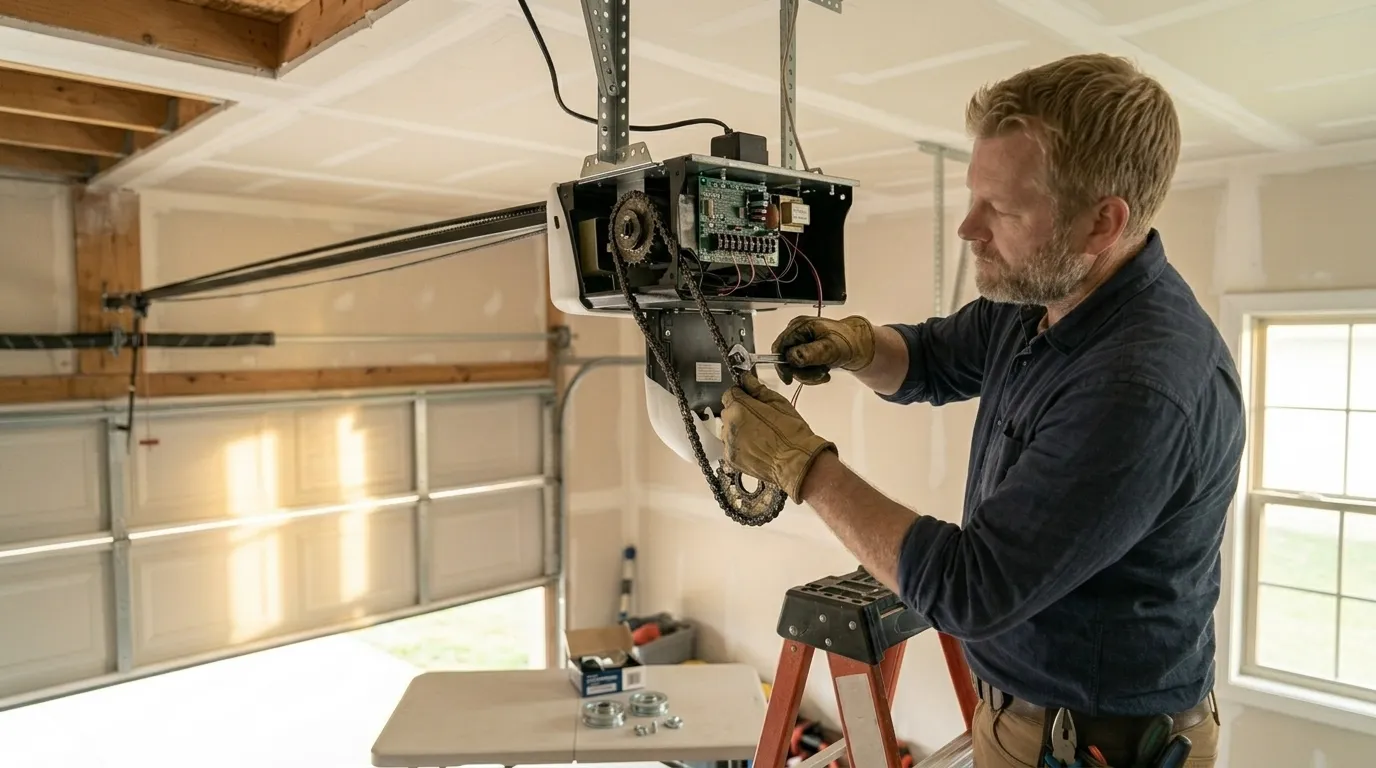
Garage Door Repair
Springs, cables, tracks, rollers, and openers fixed by a tech who explains the problem before touching anything.
Learn more →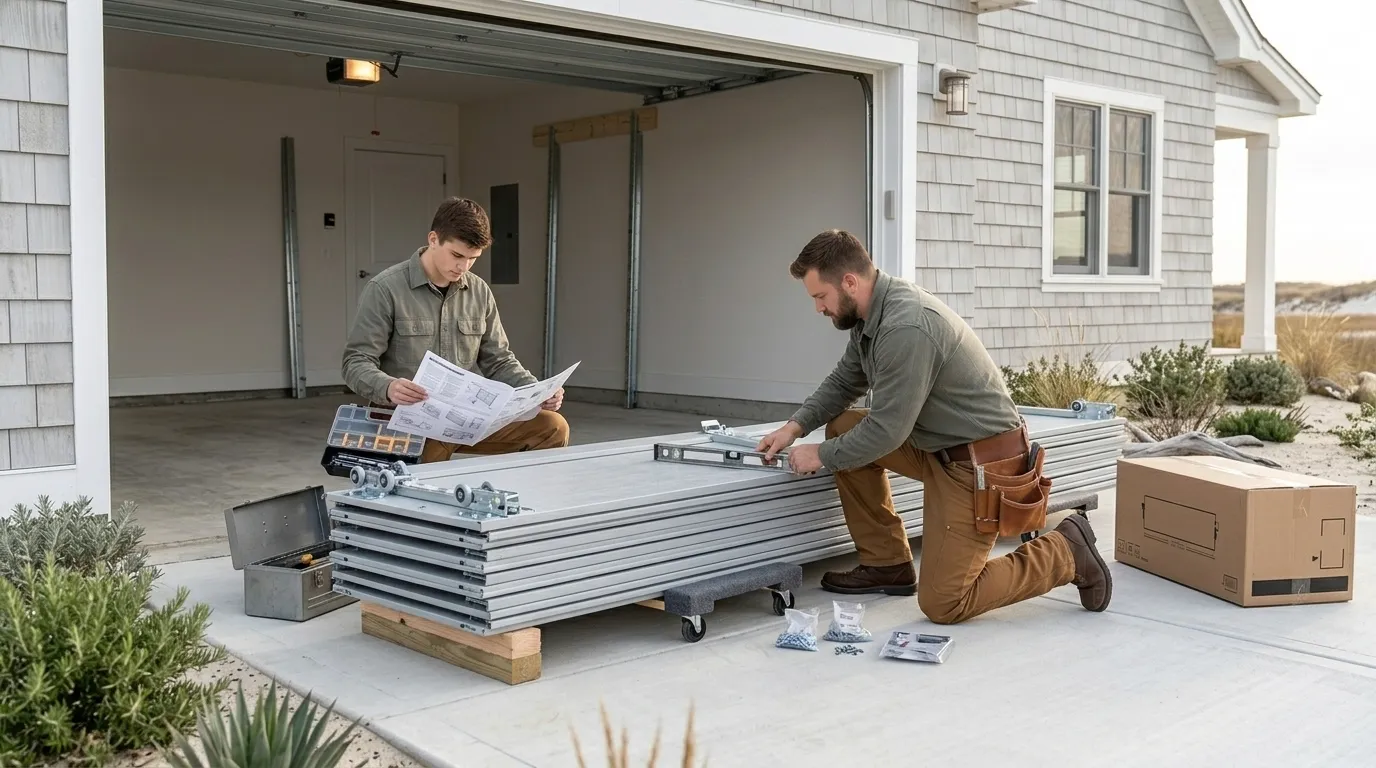
Garage Door Installation
New sectional doors sized and installed for the housing stock actually built in this area.
Learn more →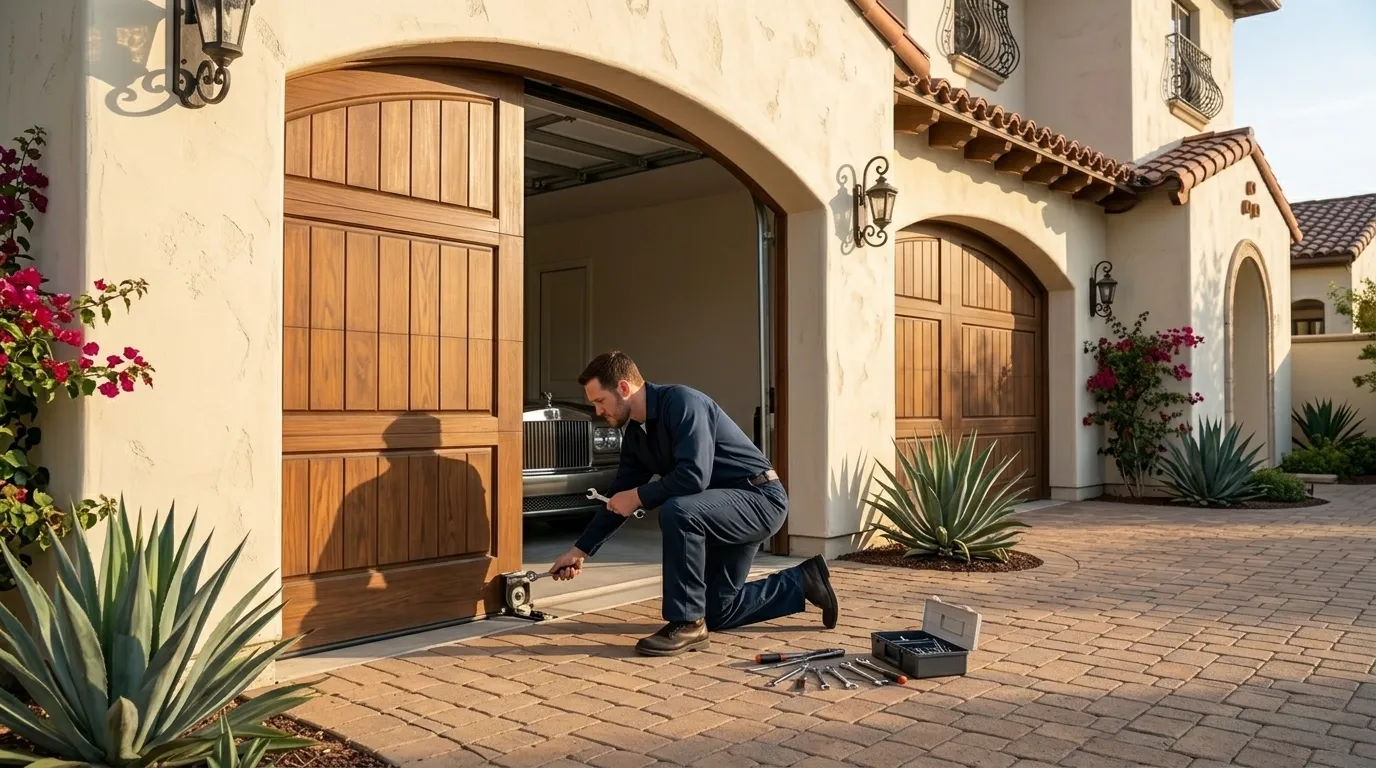
Garage Door Service
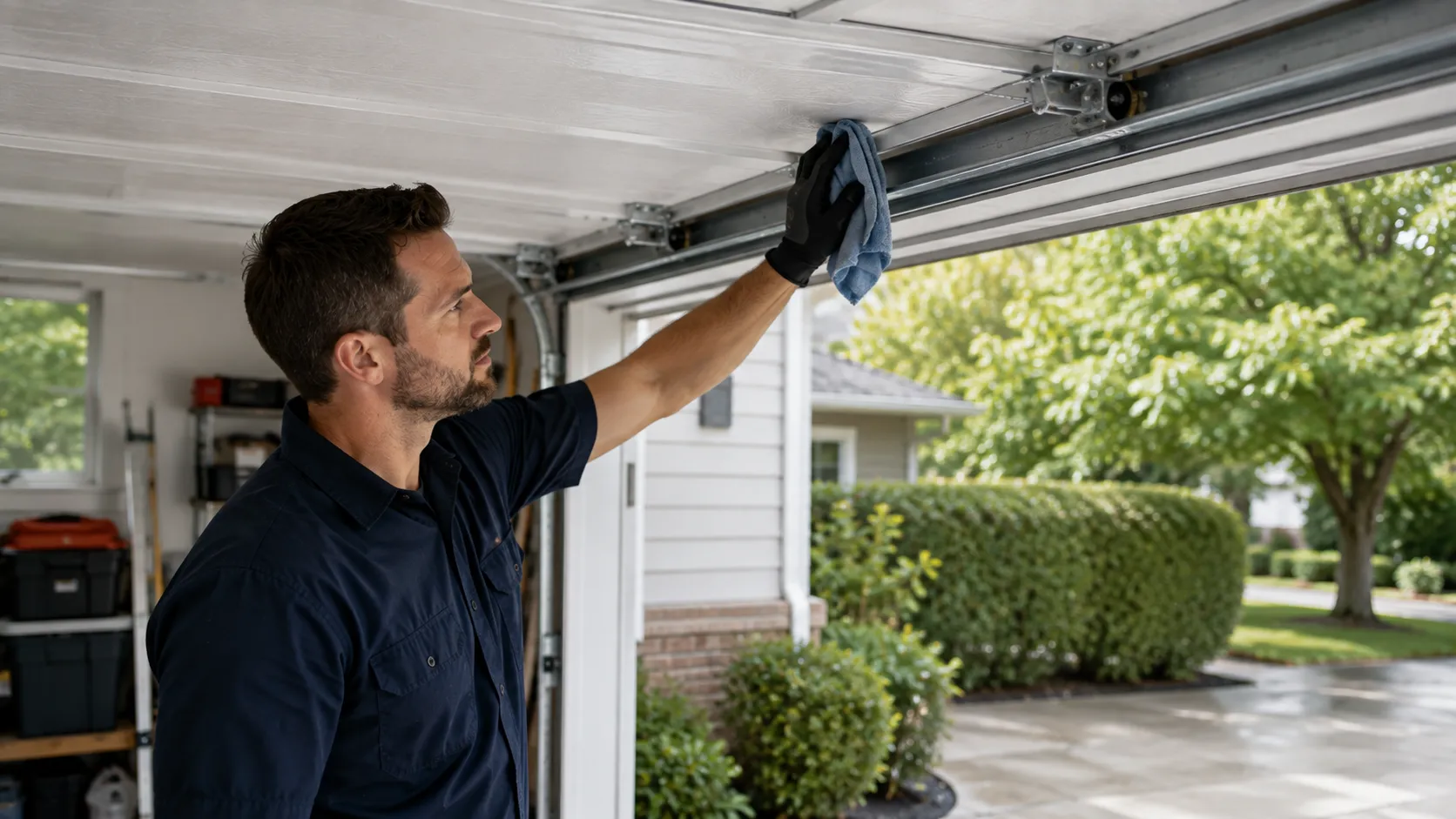
Tune-ups, lubrication, and safety checks that catch a small problem before it becomes a service call.
Learn more →Frequently Asked Questions
How do I know if my Cedar Park garage door has insulation without taking it apart
Check the panel edge for thickness and layering, and look for a manufacturer's label on the inside near the bottom corner listing an R-value. If the house dates to the 2000s build wave common here, it likely came with an insulated door already. Older homes from the 1980s end of the range are the ones worth checking closely.
Is it worth insulating an old garage door instead of replacing it
Usually not on its own. Retrofitting a foam kit into a door that's structurally fine can help some, but if the panel is already sagging or the hardware is worn, a like-for-like insulated replacement solves the heat problem and the mechanical problem in one job, often for close to the same cost.
Does the heat here really justify an insulated door
The regional heat band is moderate, not extreme, so you don't need the heaviest insulation package made. But moderate, steady heat over years still runs a bare steel panel noticeably hotter than an insulated one, especially on a door that gets afternoon sun.
Have a Door That Needs a Second Opinion?
Call and describe what it is doing - we will tell you what it likely is.